


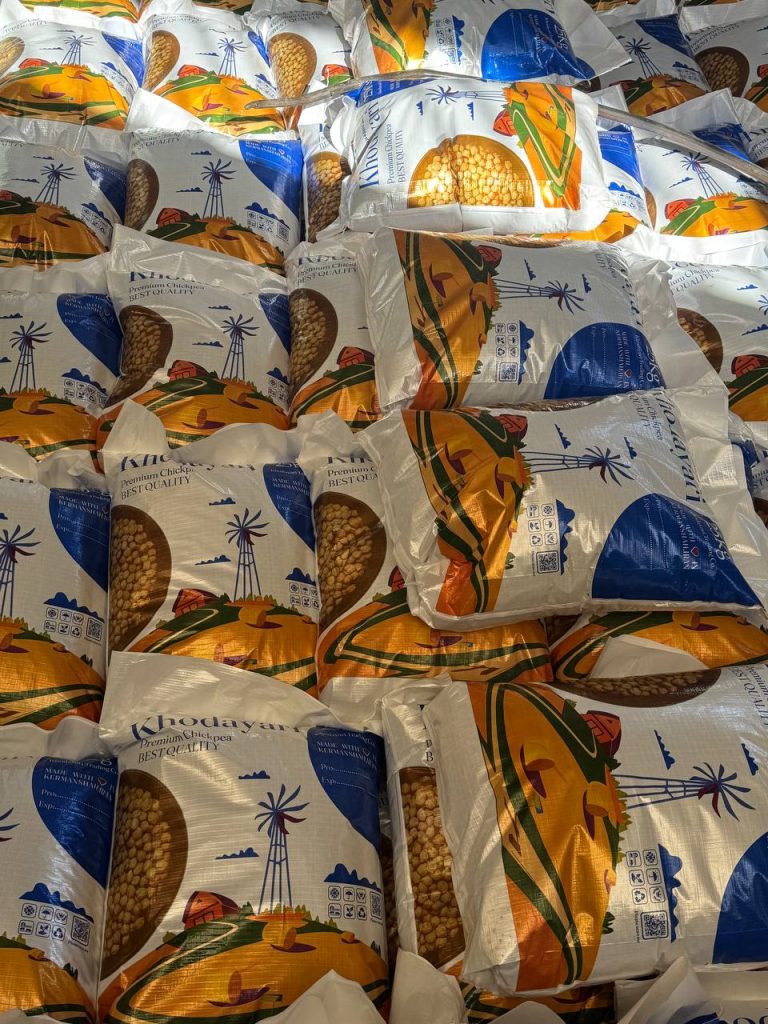
Loading Orders to Iraq

Iran Expo Exhibition
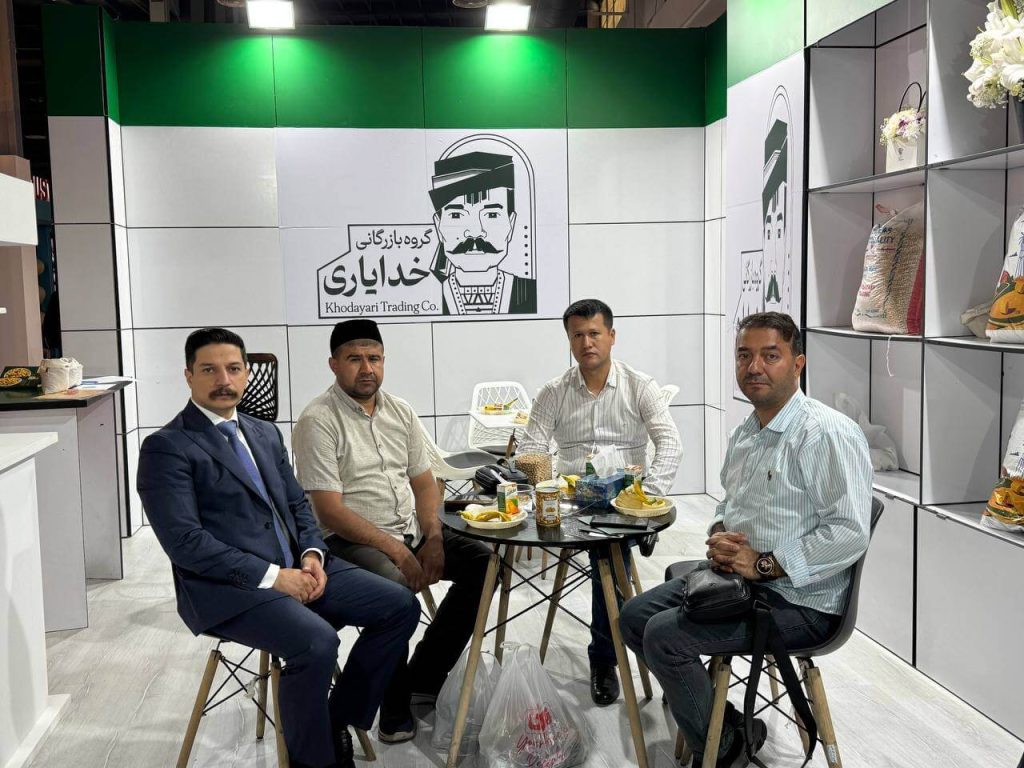
Iran Expo Exhibition
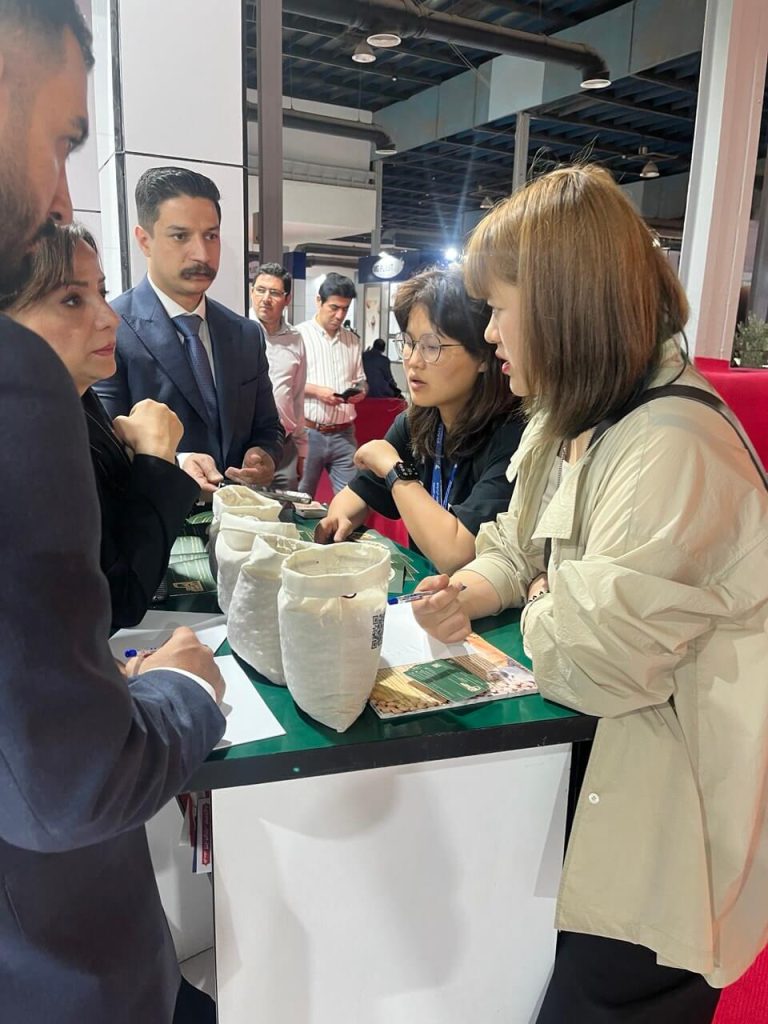
Iran Expo Exhibition

Iran Expo Exhibition
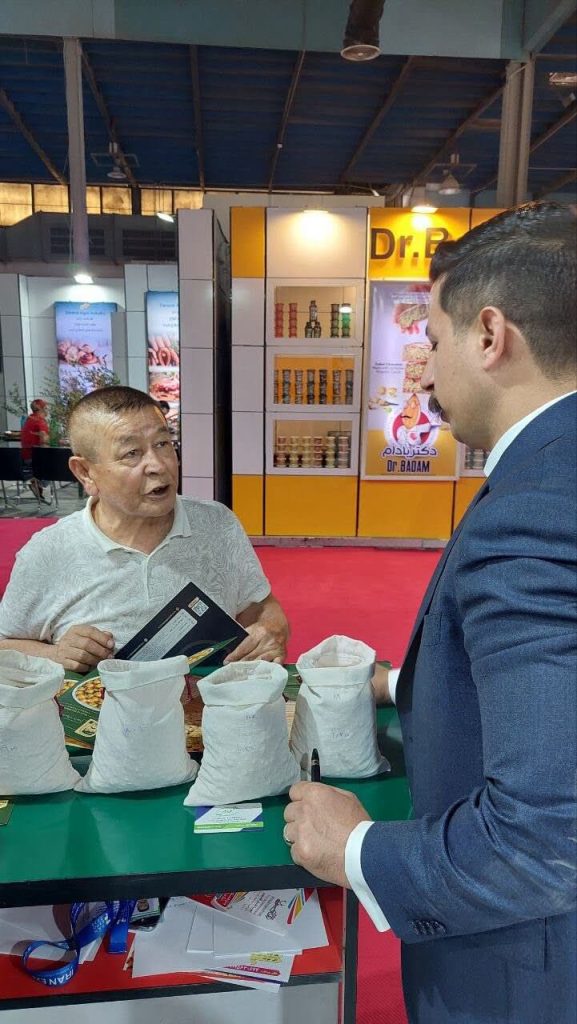
Iran Expo Exhibition
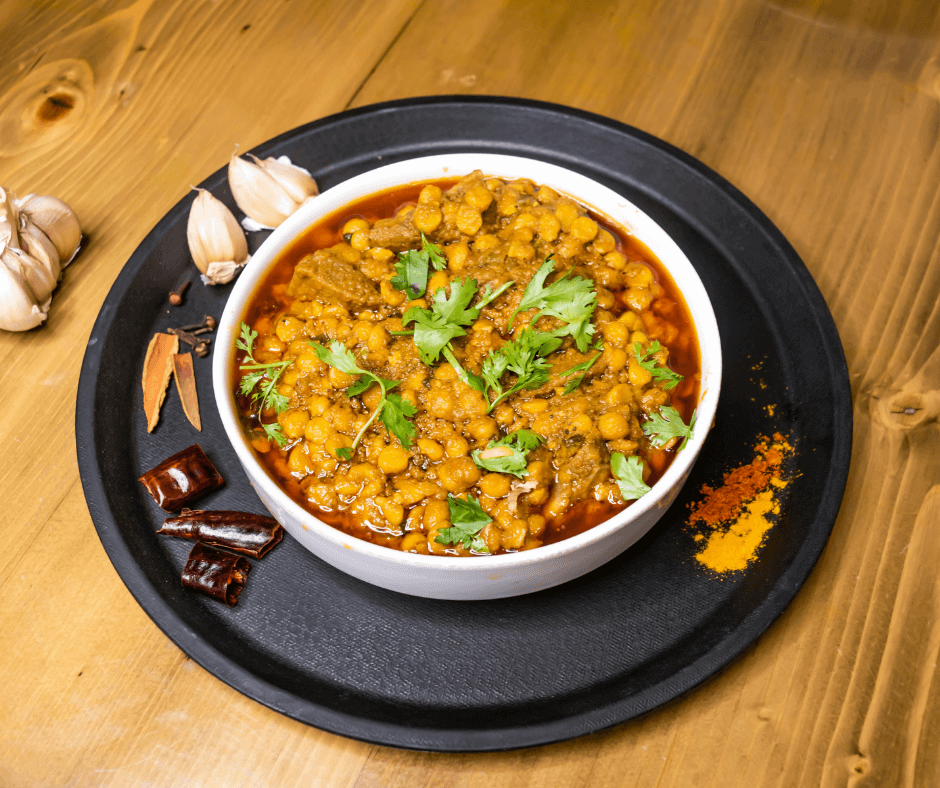

Legumes are among the most important foods in everyday diets. Thanks to their plant-based protein, fiber, vitamins, and minerals, they play an essential role in maintaining a healthy diet. Beans, chickpeas, lentils, split peas, and mung beans are among the most commonly used legumes in many traditional Iranian dishes. But do you know how to distinguish fresh and healthy legumes from old, low-quality, or damaged ones when shopping?
Choosing high-quality legumes affects not only the taste and appearance of your food but also cooking time and the overall quality of your meals. In this article, Khodayari Trading explores the most important signs of fresh and healthy legumes to help you make more informed purchasing decisions.
At first glance, there may not be a significant difference between fresh and old legumes. However, their quality becomes more noticeable during cooking and consumption.
Healthy, high-quality legumes generally have the following characteristics:
Therefore, paying attention to a few simple details when shopping can help you avoid purchasing low-quality legumes.
One of the easiest ways to identify healthy legumes is by examining their appearance and color. High-quality legumes generally have a natural, uniform color that is appropriate for their variety.
For example:
Keep in mind that slight color variations are normal in agricultural products and do not necessarily indicate aging or spoilage.
Another important indicator of legume quality is the condition of the seeds. If you notice that a large number of legumes are broken, crushed, or damaged, you should be more careful when making your purchase.
A small number of broken seeds is normal. However, a high percentage of damaged seeds may indicate poor product quality, improper transportation, or inadequate processing and storage.
Healthy legumes should retain their natural shape as much as possible.
The smell of legumes is an important indicator of their condition. Healthy, dried legumes usually have a mild, natural smell and should not have any unpleasant odors.
When purchasing or preparing legumes, look out for the following odors:
Any of these smells may indicate improper storage or contamination. In such cases, it is best to avoid purchasing or consuming the product.
One of the common problems associated with legume storage is insect infestation and pest damage.
To identify healthy legumes, carefully inspect their surfaces. Small holes, live or dead insects, unusual webbing, and fine powder caused by pest activity may indicate contamination.
Careful inspection is particularly important for products such as chickpeas and beans.
Legumes showing clear signs of insect infestation are not suitable for consumption.
Dried legumes should have a low moisture content. Excessive moisture during storage can create favorable conditions for mold growth and spoilage.
If the legumes are sticking together, have an unusual texture, or show signs of moisture inside the packaging, it is better to avoid purchasing them.
Visible mold spots or a musty smell are also warning signs. Washing or cooking moldy legumes does not make them safe to eat.
Uniform seed size is another visual indicator of legume quality. Products with relatively similar-sized seeds generally soak and cook more evenly.
For example, if chickpeas in the same package vary significantly in size, some may cook faster while others take longer.
However, differences in seed size alone do not necessarily indicate poor quality and should be considered alongside other factors.
Proper packaging plays an important role in maintaining the quality of legumes. When buying packaged legumes, pay attention to the following points:
When purchasing bulk legumes, choose a store that keeps its products in a clean, dry environment away from direct sunlight.
Yes. Cooking time is one of the factors that can provide useful information about the quality and storage conditions of legumes.
Very old legumes may take longer to soften, even after prolonged soaking. This can sometimes happen because of structural changes in the seeds caused by long-term or improper storage.
However, cooking time also depends on other factors, including the type and variety of legumes, water hardness, soaking duration, and cooking method.
Therefore, longer cooking time alone is not definitive proof of spoilage. However, if it occurs alongside discoloration, unpleasant odors, or other unusual signs, it should be taken seriously.
| Feature | Healthy, High-Quality Legumes | Low-Quality or Questionable Legumes |
| Color | Natural and appropriate for the variety | Unusual discoloration and suspicious spots |
| Smell | Mild and natural | Moldy, musty, or stale odors |
| Appearance | Intact and relatively uniform seeds | Excessive breakage and damage |
| Moisture | Dry and free from dampness | Moist or sticky |
| Pest infestation | Free from insects and pest damage | Holes, insects, and pest residue |
| Cooking | Consistent with the variety and storage conditions | May take longer to cook or cook unevenly |

Even if you purchase the best-quality legumes, improper storage can reduce their quality over time.
To maintain the quality of legumes, follow these recommendations:
Each type of legume has its own visual characteristics. Understanding these features can help you make better purchasing decisions.
Chickpeas: Choose intact seeds with a natural color, no holes, and no visible signs of pest infestation.
Beans: Pinto beans, red kidney beans, white beans, and other varieties should have a natural appearance and intact seeds. Avoid products with excessive broken seeds or signs of mold.
Lentils: High-quality lentils should be clean, free from contamination, and have no unusual odors. Their seeds should be as uniform as possible.
Split Peas: High-quality split peas should have a natural color and should not contain excessive powder, broken pieces, or signs of moisture.
Mung Beans: Healthy mung beans generally have relatively uniform, dry seeds without holes or visible contamination.
Choosing a reputable supplier is just as important as knowing how to identify high-quality legumes. Even if you are familiar with all the signs of healthy legumes, purchasing from suppliers who do not pay attention to product quality and storage conditions can lead to poor choices.
When selecting a legume supplier, consider factors such as cleanliness, product storage conditions, packaging quality, product information, and supplier reputation.
At Khodayari Trading, our goal in providing this buying guide is to help customers make more informed choices and better understand the characteristics of high-quality legumes. We recommend checking product specifications before purchasing and always prioritizing food quality and safety.
Unusual color changes, stale odors, poor storage conditions, and longer cooking times may indicate that legumes are old. However, longer cooking time alone is not a definitive indicator.
No. Slight color variations are natural in agricultural products. However, unusual spots, visible mold, or extensive discoloration accompanied by unpleasant odors may indicate spoilage or improper storage.
Small holes may indicate insect activity and pest infestation. If the product is visibly infested, it is best to avoid consuming it.
Age, prolonged storage, water hardness, legume variety, and soaking time can all affect cooking duration.
Storing legumes in clean, dry, airtight containers in a cool, dry place away from direct sunlight is one of the best ways to maintain their quality.
Identifying fresh and healthy legumes is not difficult. You simply need to pay attention to their color, appearance, smell, level of breakage, moisture, and signs of pest infestation when shopping. Choosing a reputable supplier and storing legumes properly are also essential for maintaining their quality.
By following these simple tips, you can choose healthier, higher-quality legumes and enjoy better flavor and texture in your meals. Khodayari Trading is here to help you learn more about food products and make more informed purchasing decisions.