



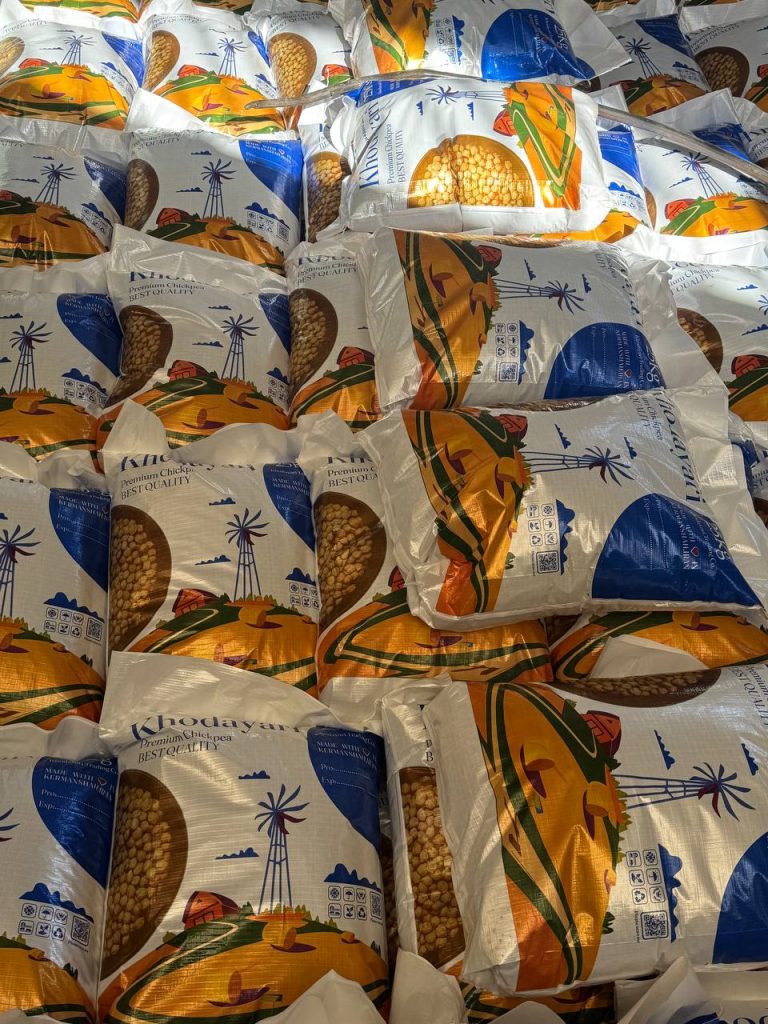
Loading Orders to Iraq

Iran Expo Exhibition
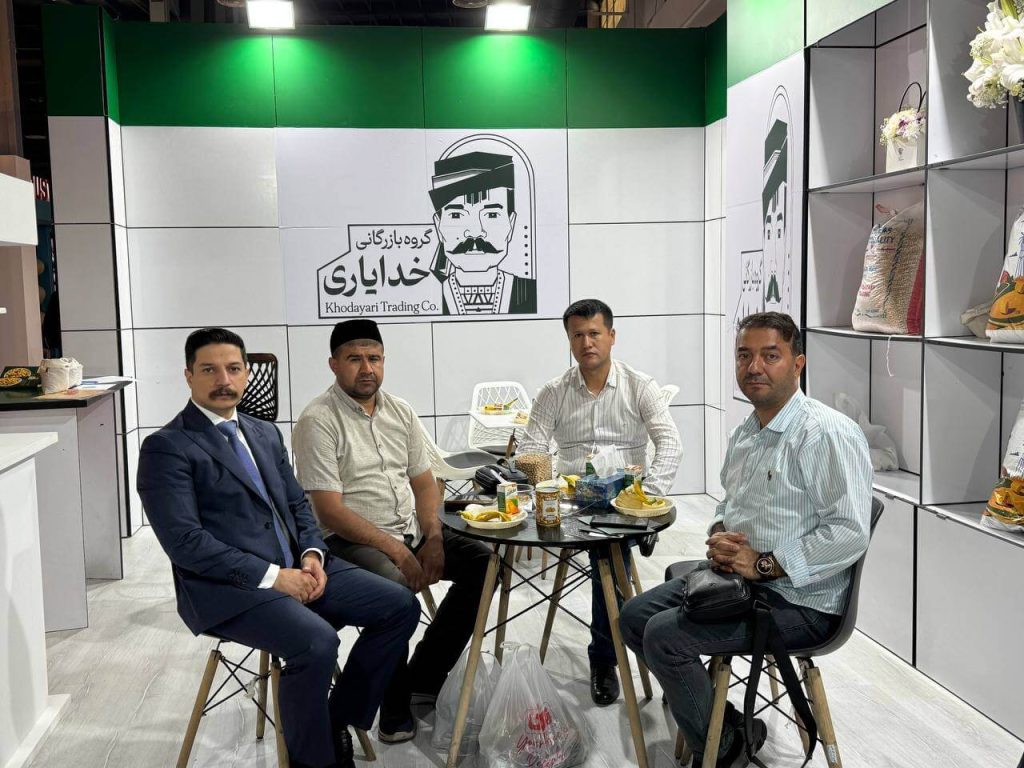
Iran Expo Exhibition
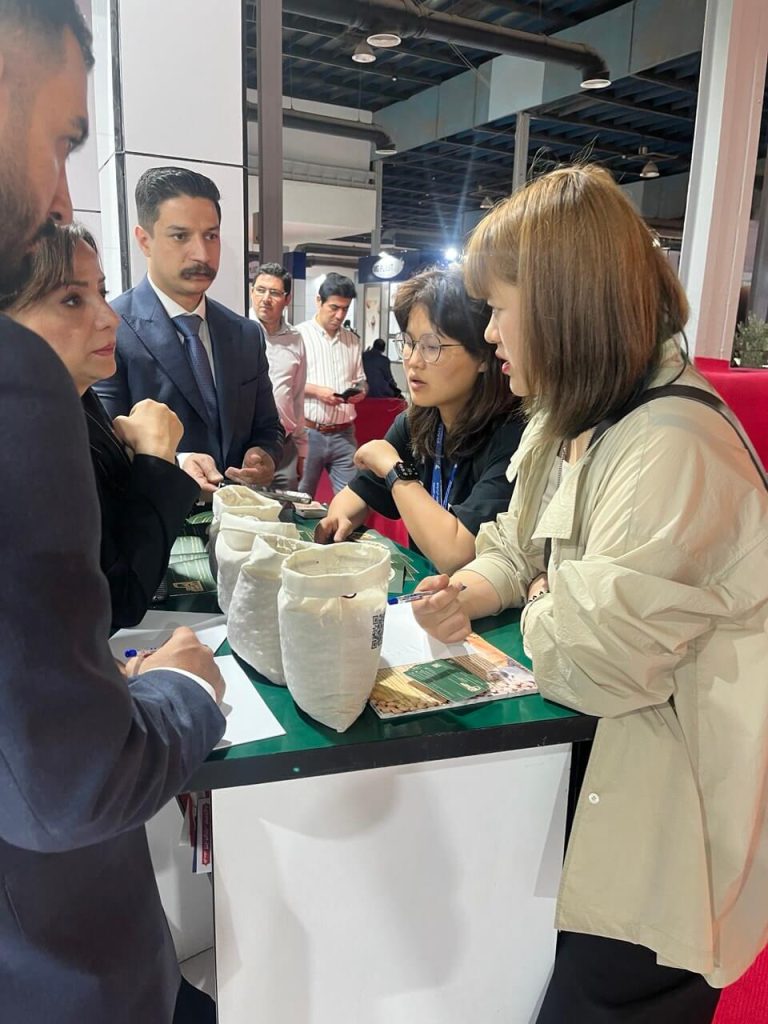
Iran Expo Exhibition

Iran Expo Exhibition
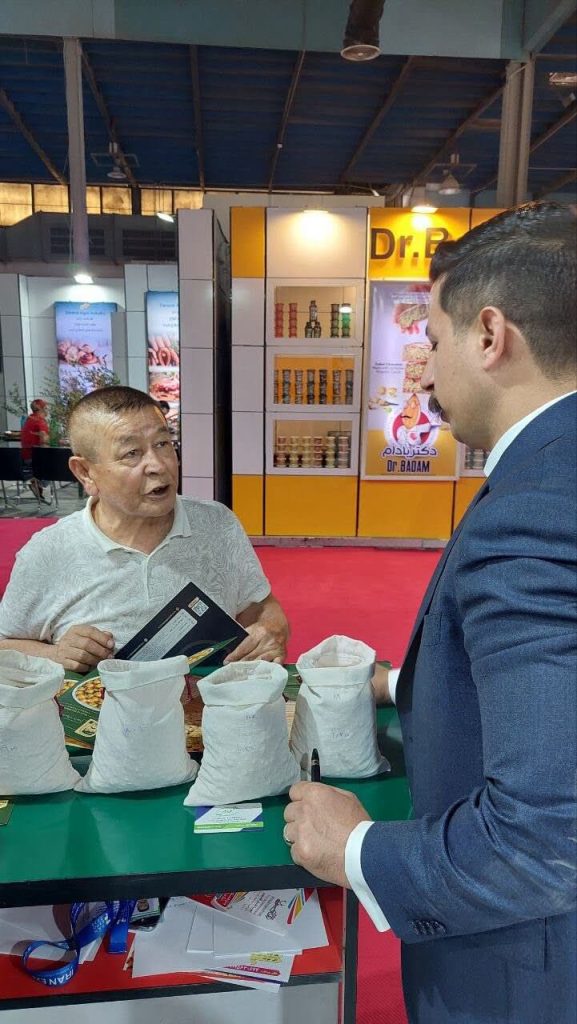
Iran Expo Exhibition
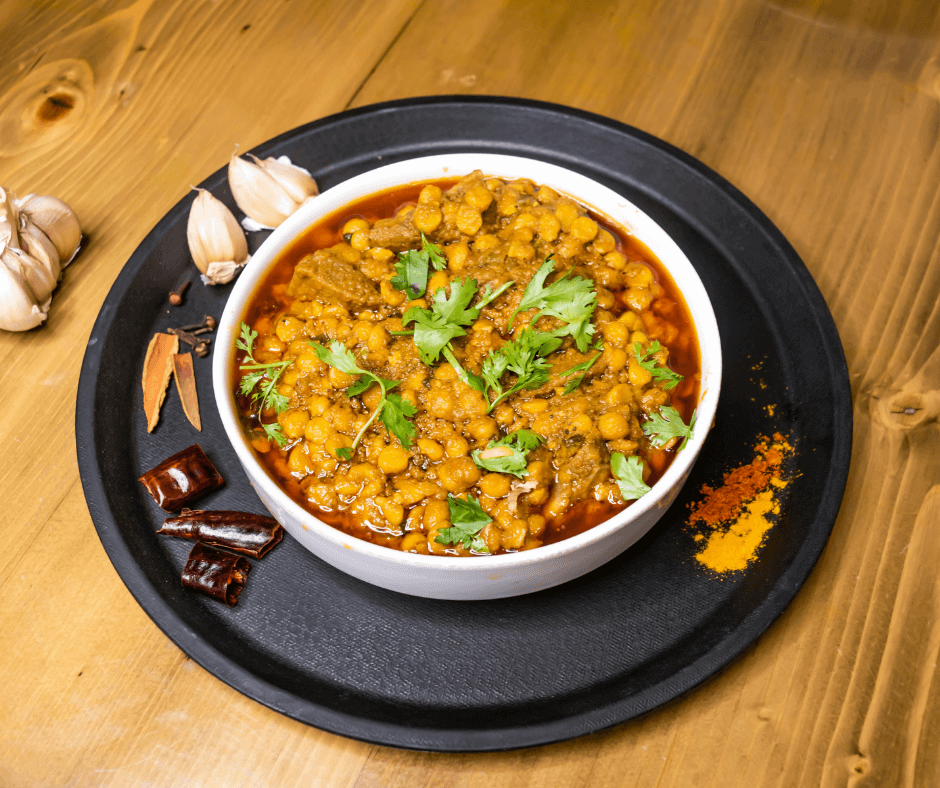

Proper chickpea storage is essential for preserving product quality, nutritional value, and commercial value. When chickpeas are stored under unsuitable conditions, they may experience discoloration, moisture absorption, mold growth, insect infestation, and reduced cooking quality. These issues are particularly important for pulse traders, warehouse operators, wholesalers, and agricultural commodity businesses, as a decline in product quality can reduce market value and lead to financial losses.
To prevent quality deterioration, it is important to manage warehouse conditions, moisture levels, storage temperature, packaging, and pest control. In this guide, Khodayari Trading explains the best practices for storing chickpeas and maintaining their quality throughout the storage period.
Dried chickpeas can have a long shelf life when stored correctly. However, their initial dryness alone is not enough to guarantee long-term quality. Moisture absorption, temperature fluctuations, and insect infestation can all create unfavorable storage conditions.
The main consequences of improper chickpea storage include:
For these reasons, proper storage practices should begin as soon as the product arrives at the warehouse and continue throughout the storage period.
One of the most important chickpea storage methods is controlling moisture content before placing the product in storage. Chickpeas with excessive moisture, or those exposed to humid conditions, are more vulnerable to mold growth and other forms of storage deterioration.
Before storing chickpeas, ensure that the product is adequately dry. For commercial shipments, using a moisture meter and testing representative samples is more reliable than judging dryness by appearance alone.
Moisture levels of approximately 10–12% are sometimes used as a reference for storing chickpeas. However, the appropriate level depends on storage temperature, storage duration, ventilation, and the applicable quality standards. For bulk shipments, moisture specifications should be determined according to the product characteristics and actual warehouse conditions.
Important: Chickpeas with excessive moisture should not be sealed in airtight, moisture-resistant packaging before being properly dried. Trapped moisture can increase the risk of quality deterioration.
Warehouse conditions play a major role in preserving chickpea quality. A suitable storage facility should be clean, dry, and maintained at a relatively stable temperature. It should also be protected against rainwater, moisture from floors and walls, and condensation around stored products.
To maintain suitable warehouse conditions:
Ventilation must be managed carefully. Introducing warm, humid air under unsuitable conditions may increase product moisture rather than improve storage conditions.
Packaging affects the level of exposure to moisture, contamination, and pests. The right packaging should be selected according to the quantity of chickpeas, storage duration, and transportation requirements.
For small quantities, clean, food-grade containers with secure lids can help protect chickpeas from moisture and insects. For bulk storage, suitable food-grade bags or packaging materials should be used. These must be clean, intact, and appropriate for the warehouse environment.
When selecting packaging, consider the following points:
For export shipments and long-term storage, packaging should be selected according to destination-market requirements, transportation conditions, and customer specifications.

Storage pests are a major cause of quality deterioration in pulses. Certain insects can damage chickpea seeds, affect their appearance, and reduce the commercial value of a shipment.
The following preventive measures can help reduce the risk of infestation:
If a significant infestation occurs, do not apply pesticides directly to food products without proper authorization. Pest control should be carried out by qualified professionals in accordance with applicable food safety regulations.
Placing chickpea bags directly on the warehouse floor can increase the risk of moisture exposure and contamination. In professional storage facilities, clean and suitable pallets should therefore be used.
Adequate space should also be maintained between stored packages and warehouse walls to allow inspection and airflow where appropriate. Overcrowded or poorly organized storage can make it difficult to identify leaks, moisture problems, or pest activity at an early stage.
For better warehouse organization:
These simple practices can help preserve product quality and reduce losses in bulk pulse warehouses.
Chickpea quality depends not only on moisture and pest control but also on proper handling. Excessive pressure, impacts, and repeated movement can increase the number of broken seeds and reduce the product’s visual quality.
For bulk storage and transportation, use suitable handling equipment and carry out loading and unloading carefully. Packaging should be strong enough to support the product’s weight and protect the seeds from excessive compression.
Reducing unnecessary handling, using appropriate equipment, and following safe stacking practices can help maintain the commercial quality of chickpeas.
Even when chickpeas enter the warehouse in good condition, they should not be left uninspected for extended periods. Regular monitoring helps identify potential problems before they become more serious.
During each inspection, check for:
For large warehouses, recording inspection dates, temperature readings, moisture measurements, and corrective actions can improve inventory management.
If mold or spoilage is detected in part of a shipment, isolate the affected material from the remaining stock and seek a qualified assessment to determine its safety and appropriate handling. A normal appearance alone does not guarantee that a product is free from contamination.
Effective inventory management is another way to prevent chickpeas from remaining in storage for unnecessarily long periods. When older and newer shipments are stored without a clear system, some products may be overlooked and left in the warehouse for too long.
The First In, First Out (FIFO) method prioritizes the shipment that arrived first for dispatch, provided its condition and delivery requirements remain acceptable.
To improve inventory management:
This approach is particularly useful for trading companies and pulse wholesalers because it helps reduce waste and improve sales planning.
The storage life of chickpeas depends on their initial condition, moisture content, warehouse temperature, packaging type, exposure to air, and the risk of pest infestation. Therefore, a single storage period cannot be guaranteed for every shipment.
When properly dried and stored under suitable conditions, chickpeas can remain usable for an extended period. However, prolonged storage may gradually affect their color, flavor, and cooking performance.
For commercial storage, the expected storage period should be determined according to actual warehouse conditions and product specifications. For high-value shipments or long-term storage, regular quality inspections and clearly defined technical criteria are essential.
Several common mistakes can increase the risk of chickpea quality deterioration. The most important include:
Storing damp chickpeas: Excessive moisture can create favorable conditions for mold growth and spoilage.
Neglecting warehouse cleanliness: Residues from previous products may become sources of contamination and pests.
Placing bags on damp floors: This increases the risk of moisture absorption and package contamination.
Ignoring regular inspections: Pest infestations and changes in temperature or moisture may go unnoticed.
Using damaged packaging: Torn bags can increase exposure to pests and contaminants.
Handling shipments improperly: Excessive impact and pressure can cause seed breakage and reduce commercial value.
Preventing chickpea quality deterioration requires several essential practices: ensuring appropriate moisture levels before storage, maintaining a clean and dry warehouse, selecting suitable packaging, preventing pest infestations, and inspecting product quality regularly.
For bulk chickpea trading, these measures do more than preserve the product’s appearance. They can also help reduce losses, maintain cooking quality, and protect the commercial value of each shipment.
Khodayari Trading focuses on practical information about pulses and agricultural commodities to help buyers and industry professionals better understand product characteristics and storage practices, supporting more informed purchasing and inventory management decisions.